Cancer Prognosis: What It Really Means and How Ayurveda Fits In
When doctors talk about cancer prognosis, an estimate of how a cancer will progress and affect a person’s life over time. Also known as outlook, it’s not a sentence—it’s a starting point for planning care, managing expectations, and finding ways to feel more in control. Many people hear "prognosis" and think it’s fixed, like a date on a calendar. But it’s not. It’s shaped by the type of cancer, how early it was caught, how the body responds to treatment, and even lifestyle choices made after diagnosis. That’s where things get real—and where Ayurveda steps in.
Ayurveda, a 5,000-year-old Indian system of medicine focused on balance between body, mind, and environment. Also known as the science of life, it doesn’t claim to cure cancer. But it does help people manage side effects, rebuild strength after chemo, and reduce inflammation that can feed tumor growth. Think of it as support, not substitution. Studies show patients using Ayurvedic herbs like turmeric, ashwagandha, and guggulu alongside conventional care report better sleep, less fatigue, and improved digestion—key factors in staying strong through treatment. And it’s not just about herbs. Ayurveda looks at Dosha, the three biological energies—Vata, Pitta, and Kapha—that govern physical and mental functions. A person with a Pitta-dominant Dosha might handle stress differently than someone with Vata imbalance. That matters because stress and inflammation can affect how cancer behaves. Tailoring diet, routines, and herbs to your Dosha isn’t guesswork—it’s personalized care.
Prognosis also depends on access to care, emotional support, and how well you can stick to a plan. That’s why so many people turn to holistic approaches. You don’t have to choose between chemotherapy and turmeric tea. You can use both. The goal isn’t to replace science—it’s to strengthen your body’s ability to respond to it. The posts below show real stories: how someone used Ayurvedic routines to recover mobility after surgery, how herbal supplements helped with nausea during treatment, and what actually works when the body is under stress. These aren’t theories. They’re lived experiences.
What you’ll find here isn’t a list of miracle cures. It’s a collection of honest, practical insights from people who’ve walked this path—people who wanted to know what else they could do, beyond the hospital visits. Whether you’re asking about survival rates, side effects, or how to feel like yourself again, these articles give you the details that matter.
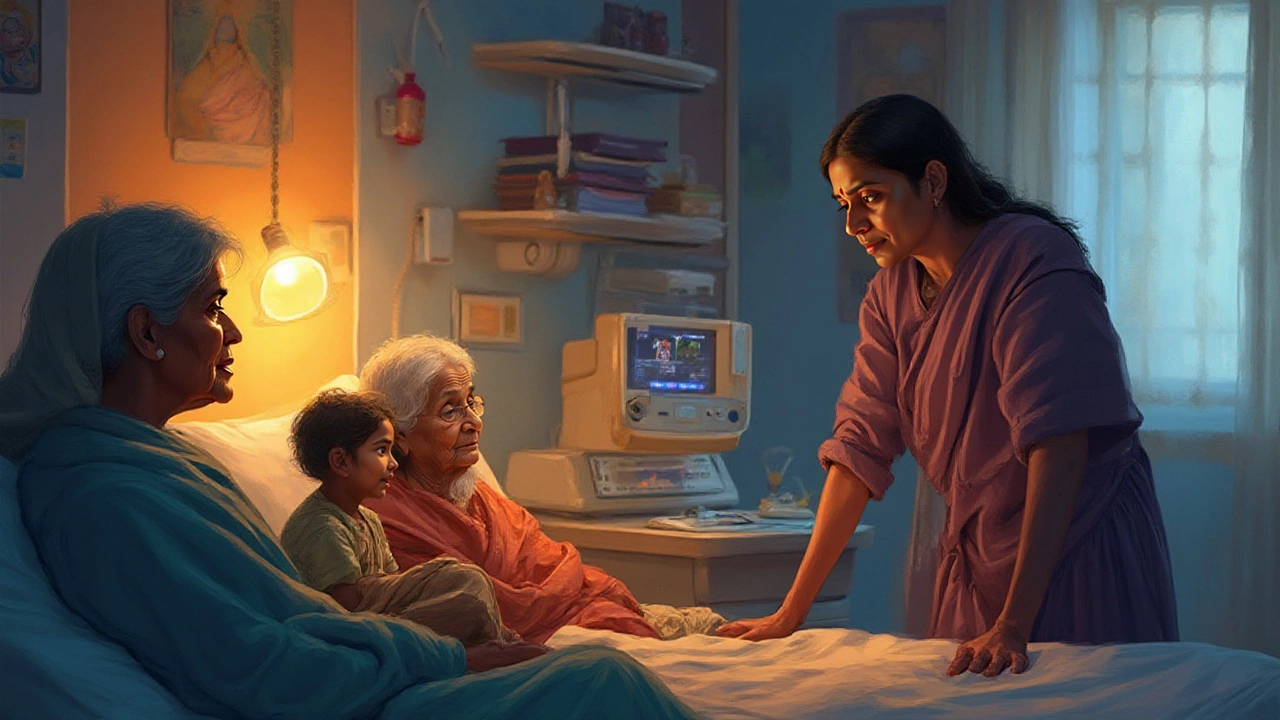
When Is Cancer No Longer Curable? Signs, Stages, and Real-Life Answers
Cancer isn't always a death sentence, but there comes a time when it can't be cured. Discover when cancer is considered incurable, what 'hopeless' really means in oncology, and what everyone should know—early or late.