Ayurveda Results: What Works, What Doesn't, and Why It Matters
When people talk about Ayurveda, an ancient Indian system of holistic health based on balancing the body’s three energies called doshas. Also known as the science of life, it’s not just herbal teas and massage—it’s a full lifestyle framework that’s been used for over 5,000 years to prevent illness and restore balance. But here’s the thing: not everyone gets the same results. Some feel more energy, sleep better, or stop relying on pills. Others see no change at all. Why? Because Ayurveda isn’t a quick fix. It’s a personalized system. What works for one person might do nothing—or even backfire—for another.
The real Ayurveda results come from matching your unique body type, or Prakriti, your innate constitution determined by the mix of Vata, Pitta, and Kapha doshas at birth, with the right diet, routines, and herbs. If you’re a Pitta-dominant person with fiery digestion and stress-induced insomnia, cooling herbs like amla and calming routines will help. But if you’re Kapha-dominant and sluggish, those same herbs might make you feel heavier. That’s why generic advice like “drink warm water” or “take ashwagandha” often fails. The magic happens when you tailor it. And that’s where most people get stuck—they follow Instagram tips, not their own body’s signals.
Herbal remedies are a big part of Ayurveda, but they’re not magic bullets. Herbal supplements, plant-based products used to support digestion, sleep, stress, and immunity can be powerful, but they can also interact with medications or cause liver strain if taken wrong. That’s why safety isn’t optional—it’s the foundation. The best Ayurveda results come from people who track their symptoms, adjust slowly, and stop when something doesn’t feel right. This isn’t about chasing miracles. It’s about noticing small shifts: less bloating after meals, waking up without caffeine, or feeling calmer during traffic.
And it’s not just about herbs. Ayurveda results also depend on daily rhythm—when you eat, sleep, and move. Eating late at night? That’s a Kapha disruptor. Sleeping past sunrise? That’s a Pitta imbalance. Skipping meals? That’s Vata chaos. These aren’t opinions. They’re patterns that show up again and again in real people who’ve tried Ayurveda and stuck with it long enough to see change. The posts below dive into exactly that: real cases, real herbs, real mistakes, and real outcomes. You’ll find what works for digestion, stress, joint pain, and sleep—not theory, not fluff. Just what people actually experienced when they applied Ayurveda the right way. No hype. Just results.
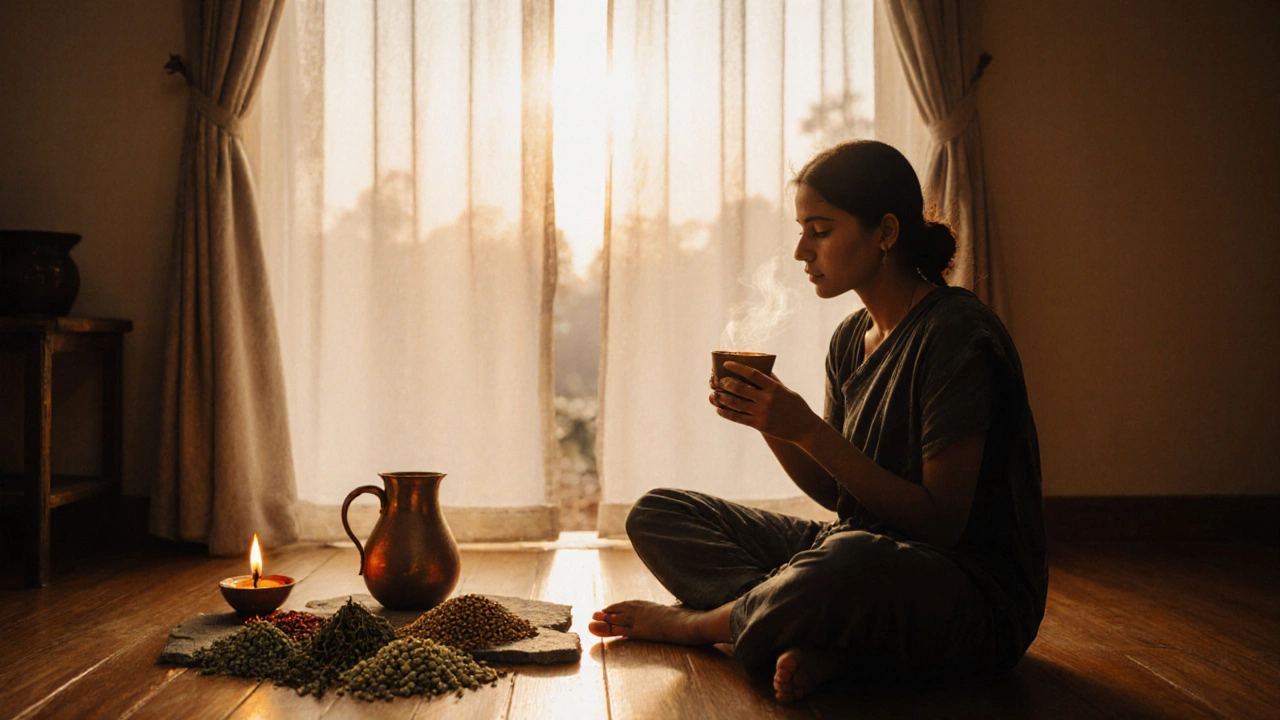
How Long Does It Take for Ayurveda to Work? Real Timelines for Common Conditions
Ayurveda doesn't work overnight - but if you stick with it, you'll notice deeper, lasting changes in digestion, sleep, energy, and stress. Here's what to expect at 2 weeks, 3 months, and 6 months.