Apotemnophilia: Understanding the Desire for Limb Amputation and Its Medical Context
When someone feels their body doesn’t match their sense of self—like a leg or arm doesn’t belong—it’s not a phase, not attention-seeking, and not something they can just "get over." This is apotemnophilia, a psychological condition where a person experiences a persistent desire to amputate a healthy limb. Also known as body integrity identity disorder, it’s a deeply personal experience that challenges how we think about identity, pain, and what it means to be whole. People with this condition don’t want to harm themselves—they feel incomplete, as if their body is wrong. It’s not about wanting to be disabled for sympathy or trauma response. It’s a quiet, persistent inner truth they’ve carried for years.
What makes apotemnophilia complex is how little it’s understood. Unlike depression or anxiety, it doesn’t show up in standard mental health screenings. It’s not listed in the DSM-5 as a formal diagnosis, but it’s recognized in clinical literature. Doctors who’ve studied it describe patients who feel intense relief after amputation—not because they wanted to escape life, but because they finally felt like themselves. One study tracked patients who lived with this urge for decades, and those who underwent amputation reported improved quality of life, not regret. That’s not common in medicine. Most treatments aim to fix something broken. Here, the fix is removing something that’s not broken at all.
Apotemnophilia often overlaps with other conditions like body dysmorphia, a mental health condition where a person obsesses over perceived flaws in their appearance, but it’s different. Body dysmorphia is about how you look. Apotemnophilia is about how you feel inside your skin. It’s also linked to neurological mapping, how the brain represents the body in space and sensation. Some research suggests the brain’s body map doesn’t include the limb the person wants removed—like a ghost limb that never formed. That’s why some patients describe the limb as "foreign" or "not mine."
There’s no medication for apotemnophilia. Therapy can help people cope, but it rarely changes the core feeling. Surgery remains the only known resolution—and even then, it’s rarely performed. Ethical debates rage: Is it right to cut off a healthy limb? Should doctors be forced to choose between healing and honoring identity? The answer isn’t simple. But for those living with it, the question isn’t about medical ethics—it’s about survival. They’re not asking to be cured. They’re asking to be seen.
What you’ll find in the posts below isn’t a direct match—there’s no article titled "apotemnophilia." But you’ll find related truths: how the body and mind connect, how people cope with irreversible changes, how medicine struggles to keep up with the human experience. From dental implants to knee replacements, from herbal remedies to mental health signs, these stories all circle back to one thing: when your body feels wrong, what do you do? And who gets to decide what’s right?
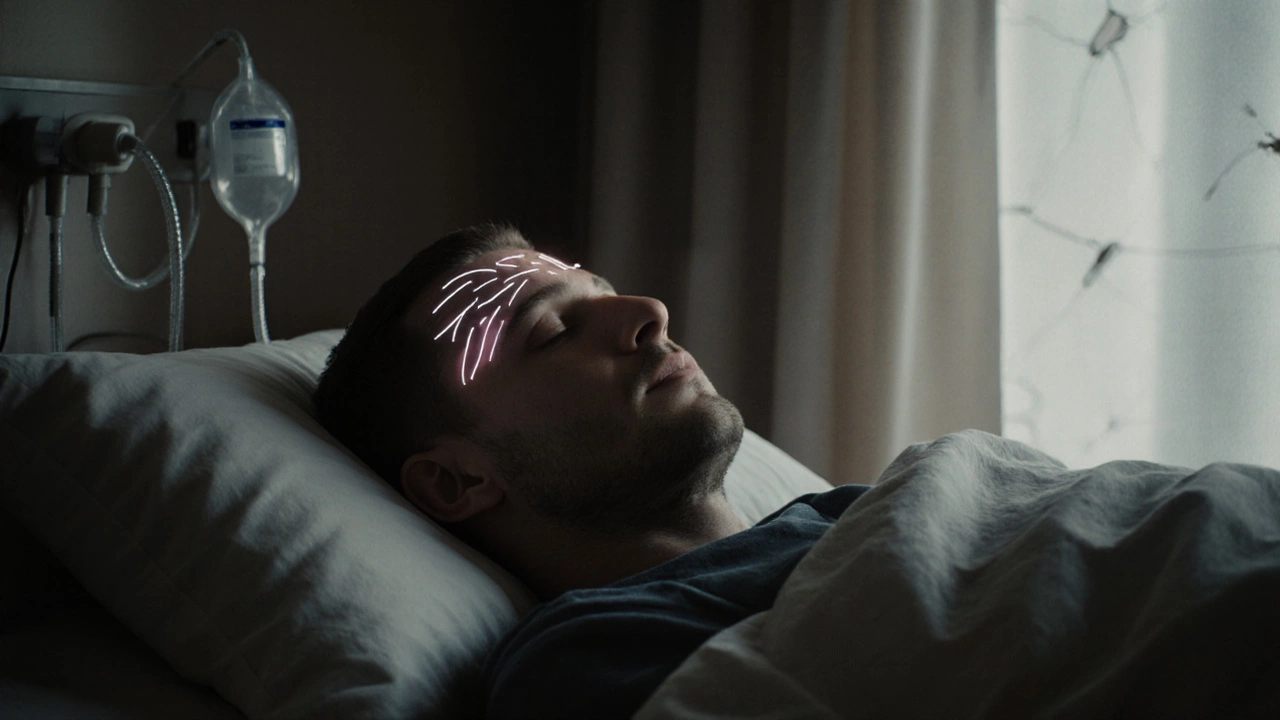
What's the rarest mental disorder? Real cases, symptoms, and why it's misunderstood
Clinomania, foreign accent syndrome, and apotemnophilia are among the rarest mental disorders-neurologically real, often misunderstood, and rarely diagnosed. Here’s what science knows about them.