Strange Behaviors and Mental Changes After Heart Surgery: What's Normal?
 Apr, 24 2026
Post-Surgery Recovery Symptom Checker
Select the behavior or feeling you are experiencing to learn if it is a common part of the recovery process or a red flag.
What are you experiencing?
Click a symptom on the left to see the analysis and recovery advice.
The truth is, your mind often takes longer to heal than your heart. When we talk about post-pump syndrome, we aren't talking about a physical failure of the heart, but a complex reaction of the brain and nervous system to a massive medical trauma. Whether you had a bypass or a valve replacement, the combination of anesthesia, systemic inflammation, and the stress of the ICU can leave you feeling like a stranger to yourself.
Key Takeaways for Recovery
- Cognitive fog and mood swings are common and usually temporary.
- Delirium in the first few days is often caused by medication or ICU environments.
- Emotional volatility is a natural response to a life-threatening event.
- Consistent sleep and gentle cognitive stimulation help the brain reset.
- Persistent memory loss requires a professional neurological check.
The Fog of Cardiac Delirium
In the immediate aftermath of surgery, many patients experience what doctors call Delirium. This isn't just "being sleepy" from the meds. It's a state of acute confusion. You might see things that aren't there, think the hospital room is a hotel, or try to climb out of bed despite having a chest tube in place.
This happens because the brain is reeling from several hits at once. First, there is the General Anesthesia, which suppresses the central nervous system. Second, the use of a Heart-Lung Machine (cardiopulmonary bypass) can cause tiny bubbles or debris to move through the bloodstream, occasionally triggering micro-inflammation in the brain.
If you see your loved one acting erratic in the ICU, remember that they aren't "losing their mind." They are navigating a chemical storm. The best thing you can do is keep the environment calm, tell them the date and where they are, and keep the lights dim to avoid overstimulating them.
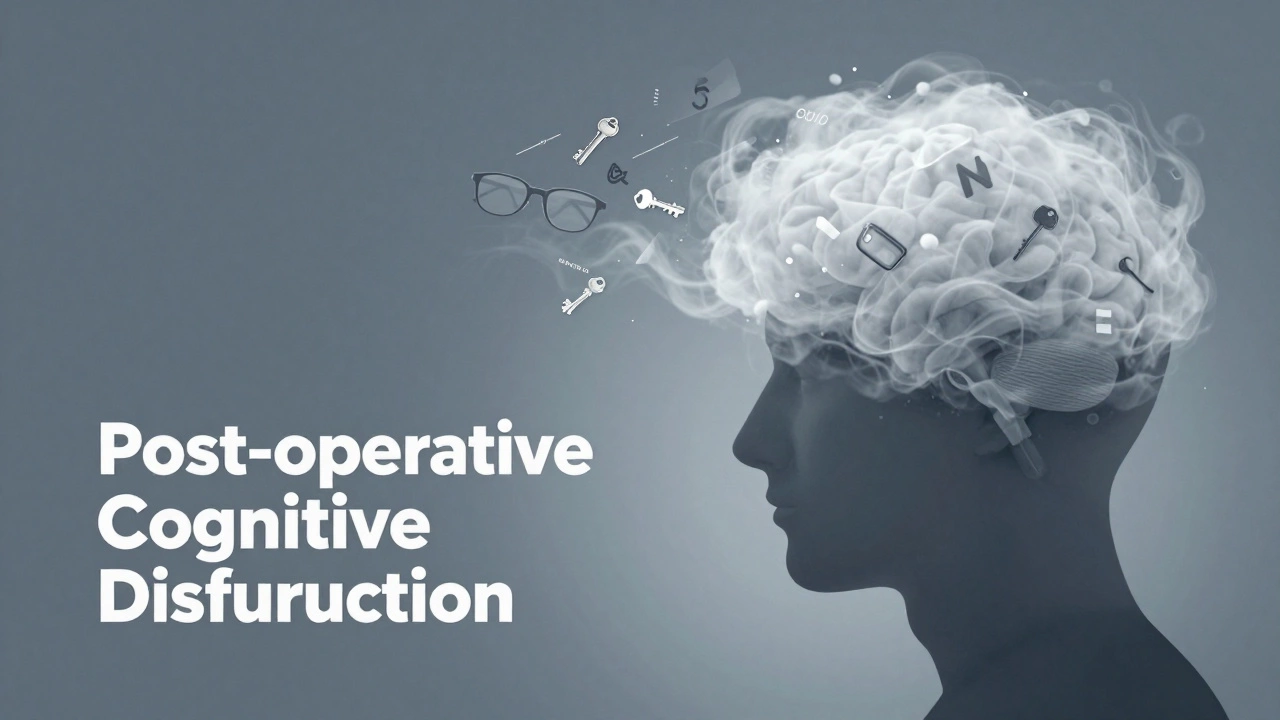
Post-Operative Cognitive Dysfunction (POCD)
While delirium is fast and intense, Post-operative Cognitive Dysfunction (also known as POCD) is a slower, more lingering cloud. You might feel like your brain is operating through a thick layer of cotton. You can't find the right words, you forget why you walked into a room, or you struggle to follow a plot in a movie you used to enjoy.
This "brain fog" is remarkably common. One study on cardiac patients found that a significant percentage of adults over 65 experienced a measurable drop in cognitive performance for up to three months following a major heart procedure. It's not dementia, but rather a temporary failure of the brain's "executive function."
How do you handle this? Stop trying to power through it. If you try to manage your finances or make big life decisions in the first six weeks, you'll likely frustrate yourself. Give your brain a "low-power mode" period. Read short articles, do simple puzzles, and don't be afraid to write everything down in a notebook.
| Feature | Acute Delirium | Cognitive Dysfunction (POCD) |
|---|---|---|
| Onset | Hours to days after surgery | Weeks to months after surgery |
| Main Symptoms | Hallucinations, agitation, disorientation | Forgetfulness, poor focus, slow thinking |
| Primary Cause | Anesthesia, ICU stress, hypoxia | Inflammation, aging, surgical trauma |
| Duration | Short-term (days) | Medium-term (weeks to months) |
The Emotional Rollercoaster: Why You're Crying (or Angry)
Heart surgery doesn't just fix a valve; it shakes your entire sense of safety. It is very common to experience Post-operative Depression. You might find yourself sobbing over a dropped piece of toast or feeling an overwhelming sense of doom even though your medical reports are great.
There is a biological component to this. The body releases a flood of Cortisol-the stress hormone-during and after the operation. This chemical surge can hijack your mood. When you combine that with the physical exhaustion of healing a sternum, your emotional reserves are effectively zero.
Anger is another strange behavior. Patients often report feeling "irritable" or "snappy." You might find yourself yelling at a family member for asking a simple question. This is often a mask for fear. You've just had a massive piece of your anatomy manipulated, and that loss of control manifests as anger toward the people closest to you.
Physical Triggers for Strange Behavior
Sometimes, the behavior isn't mental-it's a reaction to a physical side effect. Sleep apnea is a huge culprit. If you aren't getting enough oxygen at night because your breathing is shallow during recovery, you will wake up grumpy, confused, and exhausted. This mimics depression and cognitive decline.
Then there are the medications. Beta-blockers and certain pain medications can cause lethargy and a "flat" emotional state. If you feel like you're living in a gray world where nothing excites you, it might be the chemistry of your meds rather than a permanent change in your personality.

How to Navigate the Recovery Path
The goal isn't to "snap out of it," but to glide back to normalcy. The brain needs a specific environment to heal. Avoid the temptation to jump back into a high-stress job too quickly. The mental load of a professional environment can trigger a relapse in cognitive fog.
Focus on "cognitive hygiene." This means getting a strict sleep schedule. The brain clears out metabolic waste (including the inflammation from surgery) during deep sleep. If you're tossing and turning, the fog lingers. Also, stay hydrated. Dehydration in elderly patients can look exactly like dementia or delirium, making the post-surgery confusion much worse than it needs to be.
When to Call the Doctor
Most of these behaviors fade. However, there are red flags that mean you need to move from "recovery mode" to "medical intervention mode." If you experience a sudden, sharp decline in memory, difficulty speaking (slurred speech), or a total inability to recognize family members, this isn't just "post-pump syndrome." It could be a sign of a stroke or a small embolism.
Similarly, if the depression turns into suicidal ideation or a complete inability to get out of bed for days on end, professional help is required. Cognitive Behavioral Therapy (CBT) is highly effective for heart patients because it helps them process the trauma of the surgery and rebuild their confidence in their body.
Is it normal to forget names after heart surgery?
Yes, this is a hallmark of post-operative cognitive dysfunction. It's usually a problem with "retrieval" rather than "storage." The information is in your head, but the path to get to it is temporarily blocked by inflammation or stress. It typically improves over several months.
Why am I so irritable with my family during recovery?
Irritability is often a side effect of chronic pain, sleep deprivation, and the psychological shock of the surgery. Your brain is spending all its energy on physical healing, leaving very little "bandwidth" for emotional regulation and patience.
How long does the "brain fog" usually last?
For most people, the worst of the fog lifts within 4 to 8 weeks. However, some patients report subtle cognitive shifts for up to a year. Factors like age and the length of time spent on the heart-lung machine can influence how long it takes to clear.
Can antidepressants help after heart surgery?
They can, but they must be managed carefully. Some antidepressants interact with heart medications or affect blood pressure. If you feel a persistent low mood, talk to your cardiologist first to ensure any psychiatric medication is heart-safe.
Does the heart-lung machine cause permanent brain damage?
In the vast majority of cases, no. While the machine can cause temporary inflammation or very small micro-emboli that lead to temporary confusion, permanent damage is rare. Most "strange behaviors" are transient and resolve as the body stabilizes.