Medications to Avoid if You Have Diabetes: A Safety Guide
 Mar, 31 2026
Diabetes Medication Safety Checker
⚠️ Important Disclaimer
This tool provides educational information based on general guidelines. It does not replace professional medical advice. Never stop taking prescribed medication without consulting your healthcare provider.
Check any drug classes below that appear in your recent prescriptions.
Your Safety Action Plan
The Hidden Risks in Your Medicine Cabinet
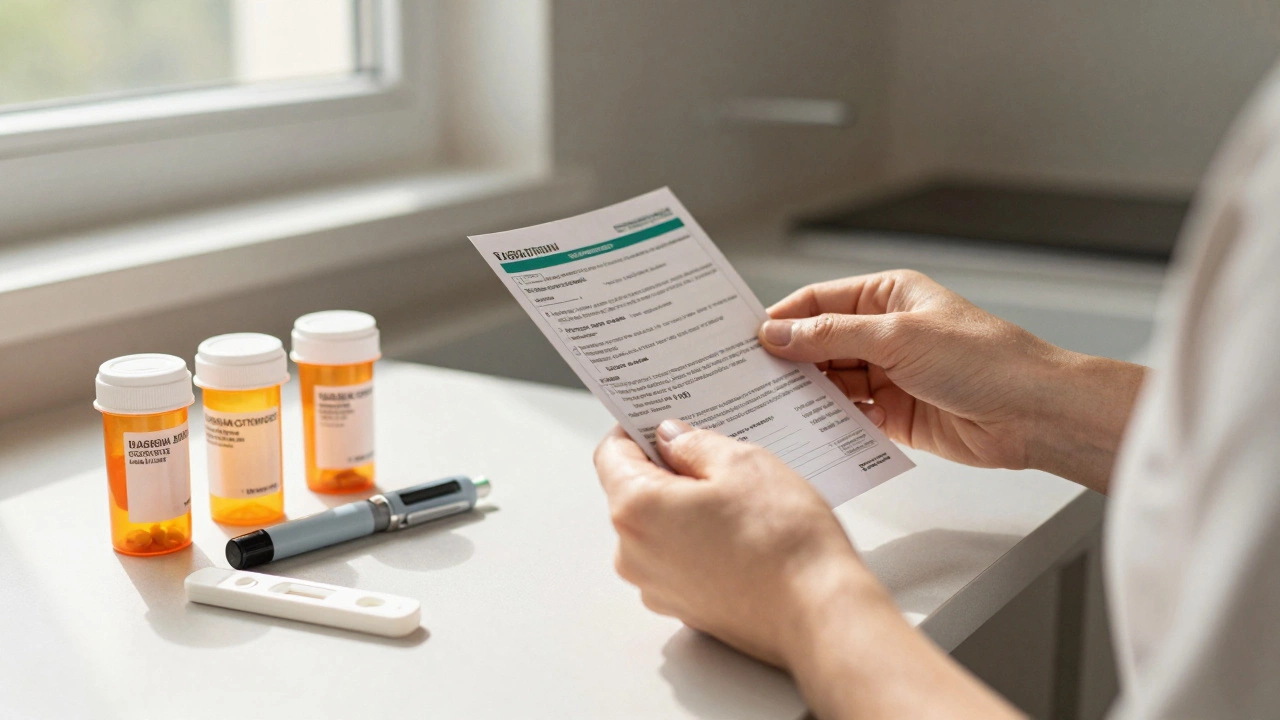
Living with diabetes means managing more than just diet and exercise. It involves keeping a close eye on every pill you swallow. Many medicines prescribed for high blood pressure, joint pain, or allergies can quietly interfere with how your body handles glucose. You might think a prescription is harmless because it treats a different condition, but the effect on your blood sugar levels can be significant. Some drugs push glucose higher, while others hide the warning signs of a dangerous drop.
We often walk out of a GP clinic with a new prescription without asking if it plays nicely with our diabetic routine. The goal here isn't to scare you away from necessary treatment, but to empower you with knowledge. When you understand which categories of medicine require extra monitoring, you take control of your health. This guide highlights specific drugs that demand caution, explains why they pose risks, and suggests safer alternatives you can discuss with your healthcare provider.
Understanding the Impact on Blood Sugar
Your body works hard to maintain stable blood sugar levels. When you introduce certain chemicals via medication, this balance shifts. For instance, some treatments mimic stress hormones, telling your liver to dump stored glucose into the bloodstream. Others block the release of insulin or stop your muscles from using the available glucose efficiently. In Type 2 diabetes, where insulin resistance is already a challenge, adding a drug that worsens this resistance makes management harder.
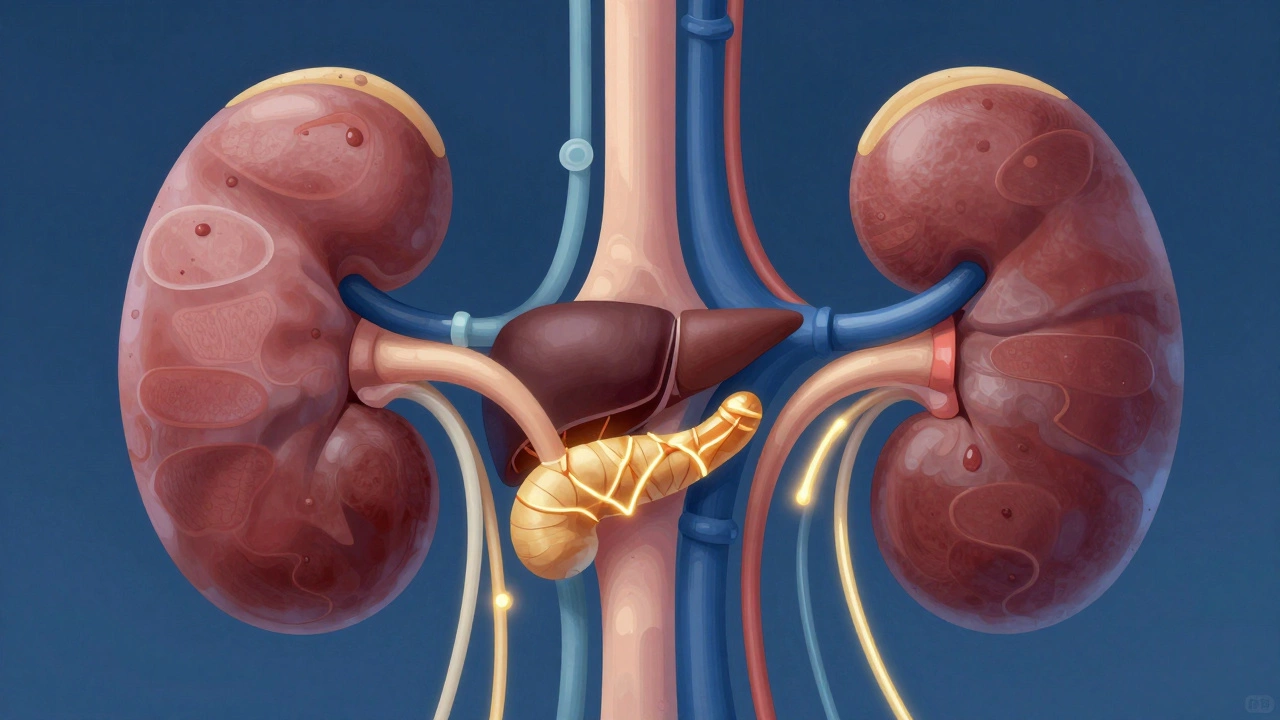
Kidney function also ties directly into this equation. Since many diabetics face kidney strain over time, drugs that reduce blood flow to the kidneys can cause rapid decline. If your kidneys aren't filtering toxins properly, your diabetes medication may build up to toxic levels. This creates a vicious cycle where the treatment for one problem damages the system handling another.
Classes of Drugs to Monitor Closely
Not every medication is off-limits, but several classes require strict supervision. You should review your list whenever a specialist prescribes something new. These are the most common culprits found in everyday medical practice.
Corticosteroids and Inflammation
Steroids like prednisolone are powerful anti-inflammatories used for asthma, arthritis, and severe allergic reactions. While effective, they are notorious for raising blood glucose rapidly. They work by making cells less sensitive to insulin and stimulating the liver to produce more sugar. Patients often see spikes within hours of taking the first dose. Long-term use can lead to chronic hyperglycemia, requiring adjustments in your diabetes regimen.
If you need corticosteroids for a short burst, monitor your glucose frequently. Space out your doses if possible, or take them early in the day to mimic natural hormone rhythms. Always inform your doctor about your history so they can prescribe the lowest effective dose.
Blood Pressure Medications
High blood pressure is common among those with diabetes, leading to frequent prescriptions for antihypertensives. However, two specific groups warrant attention. Thiazide diuretics, such as bendroflumethiazide, help remove excess fluid but can deplete potassium. Low potassium impairs the pancreas's ability to release insulin. Consequently, blood sugar rises. Switching to a different class might stabilize both metrics better.
Beta-blockers present a different issue. Drugs like atenolol are excellent for heart rate control, yet they mask the physical symptoms of hypoglycemia. Usually, when sugar drops, you feel sweaty, shaky, or have a racing heart. Beta-blockers blunt these adrenaline responses. You might not feel the low until it becomes severe or leads to confusion. If you rely on beta-blockers, learn to trust your meter rather than how you feel physically.
Pain Relief and Joint Care
Non-steroidal anti-inflammatory drugs (NSAIDs) like ibuprofen and naproxen are popular for muscle or joint pain. Chronic use carries a silent danger for kidney health. Diabetic nephropathy is already a risk, and NSAIDs constrict blood vessels in the kidneys. Over time, this reduces filtration capacity. Once kidney function declines, the clearance of your own diabetes medication slows down, potentially causing toxicity.
Paracetamol remains a safer baseline for pain relief, though always check for combination products containing hidden sugars or additives. Discuss topical options with your pharmacist, as gels applied to the skin bypass systemic absorption risks significantly.
Navigating Antipsychotics and Mental Health
Mental well-being affects physical health, but psychotropic drugs add complexity. Certain second-generation antipsychotics used for schizophrenia or bipolar disorder are linked to weight gain and metabolic syndrome. Weight gain increases insulin resistance, worsening type 2 diabetes. Clozapine and olanzapine are specific examples known to cause higher glucose levels compared to lighter alternatives.
Regular checks of HbA1c are vital if you start these medications. Lifestyle changes alone may counteract the weight gain, but monitoring ensures the balance tips back toward health. Never stop these essential medicines abruptly, but flag the risk with your psychiatrist immediately.
Practical Strategies for Managing Interactions
Avoiding risky drugs entirely isn't always feasible. Often, the benefit outweighs the harm. Here is how you handle the situation safely.
- Maintain a Master List: Keep an updated document of every supplement, vitamin, and prescription. Hand this to every new doctor you visit. In the UK, your GP surgery holds this record, but a personal copy helps when seeing specialists who might miss your primary data.
- Ask About Generics: Active ingredients matter more than brand names, but sometimes formulation differences affect absorption. Clarify exactly what chemical compound is being prescribed.
- Schedule Regular Screens: Don't wait for annual reviews. Every six months, request a renal profile to check kidney markers alongside your standard lipid panel.
- Communicate Symptoms: Report unusual thirst, fatigue, or blurry vision immediately. These could signal that a new drug is unbalancing your glycemic control.

Comparison of Common Drug Classes
| Drug Class | Primary Risk | Alternative Considerations |
|---|---|---|
| Corticosteroids | Significant glucose spike | Topical creams, inhalers |
| Thiazide Diuretics | Insulin sensitivity loss | Ceill inhibitors, loop diuretics |
| Beta-Blockers | Masks hypoglycemia warning signs | Calcium channel blockers |
| NSAIDs | Kidney strain | Paracetamol, COX-2 inhibitors |
| Antipsychotics | Weight gain, metabolic shift | Psychological therapies, lighter agents |
Questions About Safety and Adjustments
You will likely leave this page with more questions. Below are answers to the most common concerns raised by patients and their families regarding these interactions.
Can I still take steroids if I have diabetes?
Yes, but under supervision. Short courses are manageable with frequent blood glucose testing. Long-term users may need temporary adjustment of insulin dosages during the course of therapy. Always discuss duration and dosage with your endocrinologist.
Which painkiller is safest for kidneys?
Paracetamol is generally safer for renal function than NSAIDs like ibuprofen. However, even paracetamol should be taken at recommended doses. Topical analgesics are often the best choice for localized pain as they enter the bloodstream minimally.
How do beta-blockers affect my glucose readings?
They do not typically change the reading itself but hide the sensation of a low. You won't feel the shakes or sweating. Rely on checking numbers regularly rather than relying on physical cues to warn you of a drop.
Should I tell my dentist about my diabetes?
Absolutely. Dentists may prescribe local anaesthetics mixed with vasoconstrictors like adrenaline. Adrenaline can raise blood sugar temporarily. An informed dentist can choose alternative numbing agents that do not contain epinephrine.
Are herbal supplements safe to mix with diabetes meds?
Not necessarily. Many herbs like garlic, ginkgo, or ginseng interact with insulin or oral hypoglycemics. Always declare herbal use on your medical history form. Natural does not mean free of chemical activity or side effects.