How Do People Afford IVF? Real Ways UK Couples Pay for Fertility Treatment
 Jan, 23 2026
IVF Cost Calculator
Estimate Your IVF Costs
Enter your details to see potential costs for treatment in the UK
Cost Breakdown
Enter your details to see estimated costs
Payment Options Comparison
£500–£1,000 monthly over 6–12 months
£10,000–£15,000 upfront with potential refunds
£500–£2,000 per cycle
Getting pregnant through IVF isn’t just emotionally tough-it’s expensive. In the UK, a single cycle of IVF can cost anywhere from £5,000 to £8,000 if you’re paying privately. For many couples, that’s more than a year’s rent or a new car. So how do people actually afford it? The truth isn’t glamorous. It’s savings, sacrifices, loans, and sometimes, sheer luck.
Most people pay out of pocket-after years of saving
There’s no magic trick. For many, IVF is the result of years of disciplined saving. One couple in Birmingham, both in their early 30s, saved £3,000 over three years by cutting out takeaways, skipping holidays, and selling unused items online. They didn’t tell their friends why they were being so strict with money. When they finally had enough, they booked their first cycle. It didn’t work. They saved again. This time, they got pregnant on their second try.
It’s not uncommon for couples to save for 2-5 years before starting IVF. Some use dedicated savings accounts with automatic transfers. Others use apps that round up purchases and stash the spare change. One woman told me she saved £200 a month by switching from branded coffee to instant and walking to work instead of taking the bus. Small changes add up.
The NHS offers limited IVF-but eligibility is strict
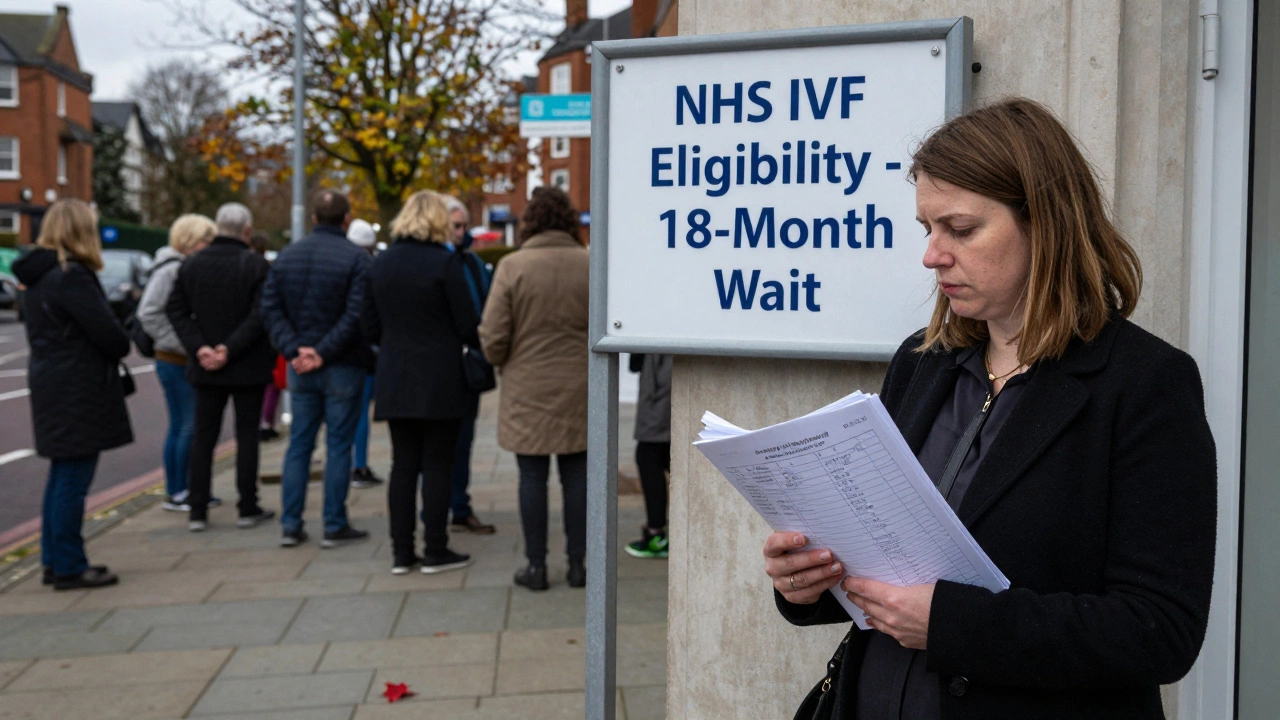
The NHS does fund IVF in England, but it’s not guaranteed. NICE guidelines say women under 40 should get up to three cycles if they meet certain criteria: no previous successful IVF, no children from a previous relationship, and both partners are non-smokers. But here’s the catch: local clinical commissioning groups (CCGs) often set their own rules. In Birmingham, some areas only fund one cycle. Others don’t fund IVF at all if either partner has a child from a previous relationship-even if that child is from a past marriage.
Waiting lists can be 12-24 months long. And even if you qualify, you might still need to pay for medications, which can cost £1,000-£2,000 extra per cycle. Many people who qualify for NHS treatment end up paying privately anyway because they can’t wait two years.
Private clinics offer payment plans-and hidden costs
Most private clinics now offer payment plans. You might pay £500 a month for 12 months instead of £6,000 upfront. But read the fine print. Some plans charge interest. Others require you to pay the full amount even if the treatment fails. One couple in Leeds paid £7,200 over 18 months for a cycle that didn’t result in pregnancy. They were still on the hook for the full balance.
Some clinics offer ‘refunded’ or ‘money-back’ packages. These cost more upfront-£10,000-£15,000-but promise a refund if you don’t have a baby after three cycles. The catch? These plans often have strict eligibility rules. You might need to be under 35, have a healthy BMI, and not have had previous IVF. And if you’re rejected, you lose the entire amount.
Grants and charities help-but they’re competitive
There are charities that give financial help for IVF. The Fertility Network UK, The British Infertility Counselling Association, and the Tommy’s charity offer small grants, usually between £500 and £2,000. But demand is high. In 2025, over 3,000 applications were received for just 250 grants.
Some organisations prioritise couples with low income, those who’ve lost a child, or people with medical conditions that affect fertility. One woman in Manchester received £1,500 from a local fertility fund after her husband’s cancer treatment left him with low sperm count. She had to submit medical records, bank statements, and a personal letter explaining why she needed help. It took six months to hear back.
There are also crowdfunding platforms like GoFundMe. Some couples raise £10,000 or more by sharing their story online. But it’s emotionally draining. You have to tell strangers your most private struggles. And not everyone succeeds. One couple in Nottingham raised £8,000 after six months of posting updates, but they still needed to borrow £2,000 from family to cover the rest.
Some go abroad for cheaper IVF
IVF in countries like Spain, the Czech Republic, or Poland can cost half as much as in the UK-sometimes as low as £2,500 per cycle. Many couples travel for treatment. But it’s not as simple as booking a flight. You need to factor in travel, accommodation, time off work, and language barriers. One couple from Sheffield flew to Prague for their third cycle. They stayed for three weeks. They spent £3,800 on treatment, £1,200 on flights and hotels, and lost £1,500 in lost wages. Total: £6,500. Still cheaper than UK private clinics, but far from easy.
There’s also a risk. Not all foreign clinics follow UK standards. Some don’t report success rates. Others use older techniques. The Human Fertilisation and Embryology Authority (HFEA) warns that patients who go abroad lose legal protections. If something goes wrong, there’s little recourse.
Employers and insurance can help-rarely
A handful of UK companies now offer IVF as a workplace benefit. Big tech firms, banks, and some public sector employers include it in their health packages. But it’s rare. Less than 5% of UK employers offer any fertility coverage. Even then, it’s usually limited to one cycle. Some employers cover medication. Others pay for genetic testing. Most don’t mention it at all.
Private health insurance rarely covers IVF. Even premium plans usually exclude fertility treatment. One man in London found an insurance policy that included IVF-but only if he’d been trying to conceive for over two years and had a documented diagnosis of unexplained infertility. He had to pay £2,000 extra per year for the add-on.

Family support is a lifeline for many
For some, the biggest help comes from family. Grandparents, siblings, or even aunts and uncles step in to help pay. One woman in Bristol received £5,000 from her parents after they sold their second car. They didn’t ask for it back. Another couple got £10,000 from their in-laws as a wedding gift-intended for a house deposit, but redirected to IVF after they learned they’d need treatment.
These gifts often come with emotional weight. Some people feel guilty. Others feel pressured to succeed. One man said his father told him, ‘This is your last chance. Don’t waste it.’ That kind of pressure can make the process even harder.
What to do if you can’t afford IVF right now
If you’re not ready to pay yet, don’t give up. Here’s what actually works:
- Track your spending. Use a free app like Moneyhub or Yolt to see where your money goes. Cut one non-essential expense each month and put it toward IVF.
- Apply for NHS eligibility. Even if your area limits treatment, you might still qualify. Ask your GP for a referral and get your medical records in order.
- Join a support group. Fertility Network UK has free online forums. You’ll learn about hidden grants, clinic discounts, and real stories from people who’ve been there.
- Consider IUI first. Intrauterine insemination costs £500-£1,000 per cycle. It’s less effective than IVF, but cheaper. Some couples try 2-3 IUI cycles before moving to IVF.
- Don’t rush into payment plans. Read every contract. Ask: What if it fails? Do I owe more? Is there a refund? Get it in writing.
It’s not just about money-it’s about hope
People don’t just pay for IVF because they want a baby. They pay because they’ve spent years hoping, grieving, and trying. The cost isn’t just financial. It’s the sleepless nights, the missed birthdays, the silence at family dinners. But for many, the price is worth it-not because they expect a guarantee, but because they refuse to stop trying.
There’s no single way to afford IVF. It’s a mix of grit, planning, and sometimes, help from strangers. If you’re in this fight, you’re not alone. And there are paths-even if they’re harder than you thought.
Can I get free IVF on the NHS in the UK?
You might, but it’s not guaranteed. NICE recommends up to three cycles for women under 40, but local NHS bodies often limit funding to one cycle-or none at all. Eligibility depends on age, whether you already have children, smoking status, and where you live. Waiting lists can be over two years long.
How much does one cycle of IVF cost in the UK?
A single private IVF cycle in the UK typically costs between £5,000 and £8,000. Medications can add another £1,000-£2,000. Some clinics charge extra for genetic testing, embryo freezing, or donor eggs, which can push the total over £10,000.
Are there grants available for IVF in the UK?
Yes, but they’re limited. Charities like Fertility Network UK, Tommy’s, and local fertility funds offer grants ranging from £500 to £2,000. Applications are competitive-over 3,000 were received in 2025 for only 250 awards. You’ll need to prove financial need and provide medical documentation.
Is IVF cheaper abroad?
Yes. In countries like Spain, the Czech Republic, or Poland, a cycle can cost as little as £2,500. But you must add travel, accommodation, time off work, and potential language barriers. Success rates and clinic standards vary. The HFEA warns that you lose UK legal protections when treating overseas.
Can I use a payment plan for IVF?
Most private clinics offer payment plans, often over 12-24 months. But read the contract carefully. Some charge interest. Others require full payment even if the cycle fails. Refund schemes exist but come with strict rules-like age limits or no prior IVF. Always ask: What happens if it doesn’t work?
Do any employers pay for IVF in the UK?
Very few. Less than 5% of UK employers offer IVF as a benefit. Some large companies and public sector organisations include one cycle in their health packages, but most don’t mention it. Private health insurance rarely covers fertility treatment unless you pay extra for a specific add-on.