Do You Ever Fully Recover from Open Heart Surgery? Realistic Expectations and Timelines
 May, 29 2026
Open Heart Surgery Recovery Timeline Calculator
Starting Phase
Enter weeks to see your current status.
Recovery Phases & Milestones
Acute Phase
- ● Focus on pain management
- ● Deep breathing exercises
- ● Gentle walking only
- ● High fatigue is normal
Weaning Phase
- ● Incisions closing
- ● Less sedated by meds
- ● Driving resumes (~4-6wks)
- ● Energy fluctuates wildly
The Turning Point
- ● Sternal precautions lifted
- ● Light weights allowed
- ● Return to desk jobs
- ● Mental clarity improves
Strength Returns
- ● Resume most activities
- ● Cardiac rehab underway
- ● Feeling like "you" again
- ● Moderate exercise safe
Full Integration
- ● 90-100% back to baseline
- ● Scar fades to pale line
- ● Stamina matches/improves
- ● New healthy normal established
That moment when the surgeon tells you, "The procedure was a success," brings a wave of relief. But then comes the real question: When do I get my life back? Do you ever fully recover from open heart surgery? The short answer is yes, most people do. But the long answer involves understanding that "recovery" isn't just about closing a wound; it’s about rebuilding your stamina, your strength, and your confidence.
If you are sitting in a hospital bed or waiting for a date on the calendar, you might feel like your body has been put through a war zone. And honestly, it has. Open heart surgery, whether it’s a bypass (CABG) or a valve replacement, requires splitting the sternum to access the heart. This is major trauma. However, modern cardiac care focuses heavily on getting patients back to normalcy. Let’s look at what that journey actually looks like, week by week, and how you can ensure you reach that point of full recovery.
The Physical Reality: What Happens Inside Your Body
To understand recovery, you have to respect the injury. In Open Heart Surgery, specifically procedures involving median sternotomy where the breastbone is divided to access the heart, the body initiates a massive inflammatory response. This is why you feel exhausted, sore, and perhaps a bit foggy in the first few weeks.
Your sternum takes about six to eight weeks to heal enough to bear weight. During this time, the bone ends knit together with callus tissue. If you pull, push, or lift anything heavier than a kettle during this window, you risk sternal dehiscence, which is the separation of the sternum bones, a serious complication requiring further surgery. That said, once that bone heals, it often becomes stronger than it was before because the new bone forms a solid bridge across the split.
Internally, your heart muscle itself is recovering from the stress of being stopped or manipulated. If you had a bypass, the grafts need to establish blood flow. If you had a valve repair, the new mechanics need to settle. This internal healing is invisible but critical. It explains why you might feel fine physically but still get winded walking up a single flight of stairs three months post-op. Your cardiovascular system is recalibrating.
The Timeline: From Hospital to Home to Life
Recovery doesn’t happen in a straight line. It’s more like a staircase with some flat landings. Here is a realistic breakdown of what to expect over the first year.
- Weeks 1-2: This is the acute phase. Pain management is key. You will be focused on deep breathing exercises to prevent pneumonia and gentle walking to prevent blood clots. Sleep is fragmented. Fatigue is overwhelming. This is normal. Do not compare yourself to others; every body heals differently.
- Weeks 3-6: The "weaning" phase. Incisions start to close. Stitches or staples come out. You begin to feel less sedated by pain meds. You can drive again (usually after 4-6 weeks, once you can brake suddenly without pain). Energy levels fluctuate wildly-good days mixed with bad ones.
- Months 2-3: The turning point. Sternal precautions are lifted. You can lift light weights. Many people return to desk jobs here. The scar begins to fade from red to pink. Mental clarity improves as anesthesia leaves your system completely.
- Months 4-6: Strength returns. You can resume most normal activities, including sexual activity and moderate exercise. Cardiac rehab should be well underway. You start feeling like "you" again, rather than a patient.
- Months 6-12: Full integration. Most patients report feeling 90-100% back to baseline. The scar is a pale line. Stamina matches pre-surgery levels, often better because of lifestyle changes made during recovery.
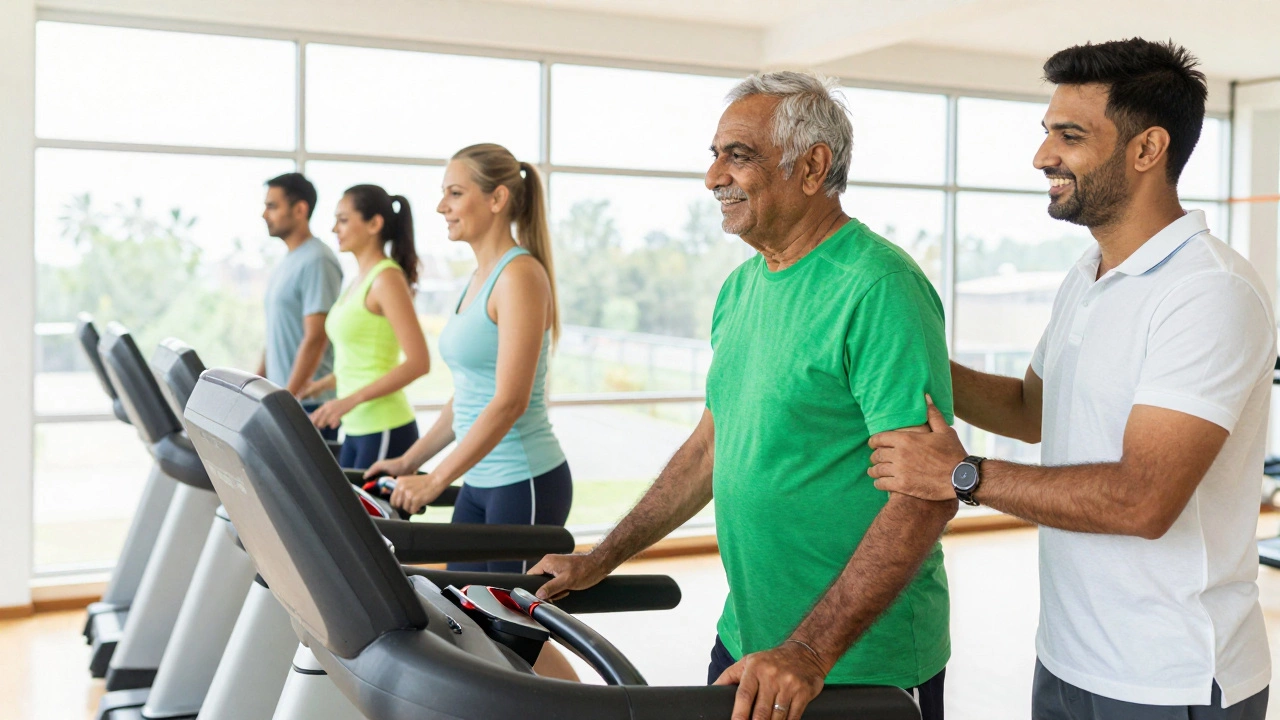
Cardiac Rehabilitation: The Missing Link
If there is one thing that separates those who "fully recover" from those who remain limited, it is Cardiac Rehabilitation, a supervised program of exercise, education, and counseling designed to improve heart health after surgery. Studies consistently show that patients who complete a formal cardiac rehab program have significantly lower mortality rates and better quality of life scores.
Think of rehab as physical therapy for your heart. It’s not just about walking on a treadmill. It includes monitoring your heart rate, teaching you how to pace yourself, and providing nutritional guidance. In the UK, NHS cardiac rehab programs are excellent resources. They provide a safe environment to test your limits under supervision. If you skip this step, you are likely to underestimate your capabilities or, conversely, overexert yourself and set back your progress.
During rehab, you’ll learn to listen to your body. You’ll discover what your "safe zone" feels like. This knowledge builds confidence. Confidence is huge. Many patients suffer from post-operative anxiety, fearing that any exertion will cause another event. Rehab dismantles that fear with data and gradual exposure.
Mental and Emotional Recovery
We often ignore the psychological toll of open heart surgery. Facing mortality, even indirectly, changes you. Post-operative depression and anxiety are common, affecting up to 40% of patients in the first few months. This isn’t weakness; it’s a physiological and psychological response to major trauma.
You might experience "brain fog" or memory issues. This is sometimes called "pump head," though research suggests it’s more related to inflammation and anesthesia than the heart-lung machine itself. For most, this clears up within three to six months. However, if low mood persists beyond two months, speak to your doctor. Treating post-cardiac depression is vital because mental health directly impacts physical recovery. A depressed patient is less likely to exercise, eat well, or adhere to medication schedules.
Joining a support group can help. Hearing others talk about their fears and triumphs normalizes your experience. You realize you aren’t alone in feeling scared or frustrated. Community support accelerates emotional healing, which in turn supports physical healing.
Factors That Influence Your Recovery Speed
Not everyone recovers at the same pace. Several variables play a role:
- Age: Younger patients generally heal faster due to better cellular regeneration and higher baseline fitness. However, age alone is not a barrier; many octogenarians recover beautifully with proper care.
- Pre-operative Fitness: If you were active before surgery, you’ll bounce back quicker. Muscle memory helps. If you were sedentary, the road is longer, but the outcome can still be excellent.
- Comorbidities: Conditions like diabetes, chronic obstructive pulmonary disease (COPD), or obesity can slow healing. Diabetes, in particular, affects wound healing and infection risk. Tight glucose control is essential.
- Surgical Complexity: A simple single-vessel bypass is different from a triple bypass combined with aortic valve replacement. More complex surgeries mean longer initial recovery times.
- Lifestyle Choices: Smoking cessation is non-negotiable. Smoking constricts blood vessels and impairs oxygen delivery, drastically slowing healing. Alcohol moderation also matters, as alcohol can interfere with medications and sleep quality.
| Milestone | Typical Timeframe | Key Indicator |
|---|---|---|
| Discharge from Hospital | 3-7 Days | Stable vitals, able to walk independently |
| Sternal Healing Begins | Weeks 2-4 | Reduced pain, incision closed |
| Return to Desk Work | Weeks 4-6 | Able to sit for extended periods, no lifting required |
| Lifting Restrictions Lifted | Weeks 8-12 | X-ray confirmation of sternal union |
| Full Activity Resumption | Months 3-6 | Completion of cardiac rehab, high energy levels |

Red Flags: When to Call the Doctor
While recovery is mostly about patience and persistence, you must stay vigilant. Certain symptoms indicate complications that need immediate attention:
- Fever above 38°C (100.4°F): Could signal an infection at the incision site or internally.
- Swelling, Redness, or Drainage: Signs of wound infection. Mediastinitis (infection of the chest cavity) is rare but serious.
- Sudden Weight Gain: Gaining more than 2 pounds in a day or 5 pounds in a week can indicate fluid retention and heart failure.
- Shortness of Breath at Rest: Mild breathlessness during activity is normal early on, but struggling to breathe while sitting still is not.
- Chest Pain: Some discomfort is expected, but sharp, crushing, or radiating pain needs evaluation to rule out angina or other issues.
Long-Term Outlook: Living Well After Surgery
So, do you ever fully recover? Yes. But "full recovery" doesn’t mean returning to the exact same habits that led to the surgery. It means achieving a new normal that is healthier and more sustainable. Most patients live for many years after open heart surgery. In fact, many feel better than they did before because they finally addressed their heart health.
Diet plays a massive role. Adopting a heart-healthy diet-rich in vegetables, fruits, whole grains, lean proteins, and healthy fats-supports ongoing healing. Medication adherence is equally critical. Antiplatelets, beta-blockers, statins, and ACE inhibitors are often prescribed for life. These drugs protect your grafts and manage blood pressure and cholesterol. Skipping doses undermines all the surgical work.
Regular follow-ups with your cardiologist are essential. They monitor your heart function, adjust medications, and screen for new issues. Think of these appointments as maintenance checks for a high-performance engine. With proper care, open heart surgery is not the end of your active life; it’s a reset button.
How long does it take for the sternum to fully heal after open heart surgery?
It typically takes 6 to 8 weeks for the sternum to heal sufficiently to lift light objects and resume normal daily activities. However, complete bony fusion and maximum strength can take up to 3 to 6 months. During the first 8 weeks, strict sternal precautions (no pushing, pulling, or lifting over 5-10 lbs) are crucial to prevent complications.
Is it normal to feel tired for months after heart surgery?
Yes, post-operative fatigue is very common and can last for several months. This is due to the body's energy expenditure on healing, the effects of anesthesia, and potential anemia from blood loss during surgery. Gradual increase in activity through cardiac rehab helps restore energy levels. If fatigue is severe or worsening, consult your doctor to rule out other causes like infection or heart failure.
Can I return to exercise after open heart surgery?
Absolutely. Exercise is a cornerstone of recovery. Most patients start with walking and gradually progress to more intense activities under the guidance of a cardiac rehabilitation program. By 3 to 6 months post-surgery, many patients can engage in jogging, swimming, cycling, and strength training, provided they clear it with their cardiologist.
What are the signs of a sternal infection?
Signs include fever, increased pain around the incision, redness, swelling, warmth, or pus drainage from the wound. You might also notice a crackling sensation under the skin or instability in the sternum. If you experience any of these symptoms, seek medical attention immediately as sternal infections (mediastinitis) require prompt treatment.
Does open heart surgery extend life expectancy?
For many patients, yes. Coronary artery bypass grafting (CABG), for example, has been shown to improve survival rates compared to medical therapy alone in patients with significant blockages. Valve replacements also alleviate symptoms and reduce the risk of heart failure, thereby extending life expectancy and improving quality of life. Individual outcomes depend on overall health, age, and adherence to post-op care.