Heart Surgery: What to Expect, Risks, and How to Recover
When you hear heart surgery, a medical procedure to repair or replace damaged parts of the heart. Also known as cardiac surgery, it’s not just a single operation—it’s a family of life-saving interventions, from bypasses to valve replacements, each with its own risks and recovery path. Millions of people go through this every year, and while it sounds scary, modern medicine has made it far more predictable than it was decades ago. But knowing what to expect isn’t just about survival—it’s about living well after.
One of the biggest concerns is what happens long after the stitches are gone. Open-heart surgery, a procedure where the chest is opened to access the heart isn’t a cure-all. Grafts can narrow over time, valves can wear out, and your body changes. Ten years later, your care plan isn’t done—it’s just shifted. Then there’s the heart valve durability, how long replacement valves last before needing repair or replacement. Some last 15 years. Others start failing in five. It depends on your age, the type of valve, and how well you manage blood pressure and cholesterol. And if you’re wondering if you can live alone after surgery, the answer isn’t yes or no—it’s "with the right setup." Many people do, but only if they’ve planned ahead: meal prep, mobility aids, emergency contacts, and clear instructions.
Some procedures are tougher than others. The Bentall procedure, a complex surgery replacing the aortic root, valve, and ascending aorta is one of the most demanding in cardiology. It’s not for everyone, but for those with aortic aneurysms or genetic conditions, it’s the only option. And while survival rates have improved, the road back is long. That’s why understanding the cardiac surgery risks, the potential complications during and after heart operations matters—not to scare you, but to help you ask the right questions. Did your surgeon mention graft patency? Did they explain how often you’ll need echo tests? Did they tell you what symptoms mean trouble?
There’s no magic pill after heart surgery. No single diet or supplement that fixes everything. What works is consistency: walking daily, taking meds on time, watching salt, and knowing when to call your doctor. The posts below aren’t fluff. They’re real, practical guides from people who’ve walked this path—whether it’s preparing your home for recovery, understanding why some surgeries are deadlier than others, or learning how to live independently after your chest has been opened and closed again. You’ll find out what’s truly needed after surgery, what myths to ignore, and how to build a life that lasts—not just survives.
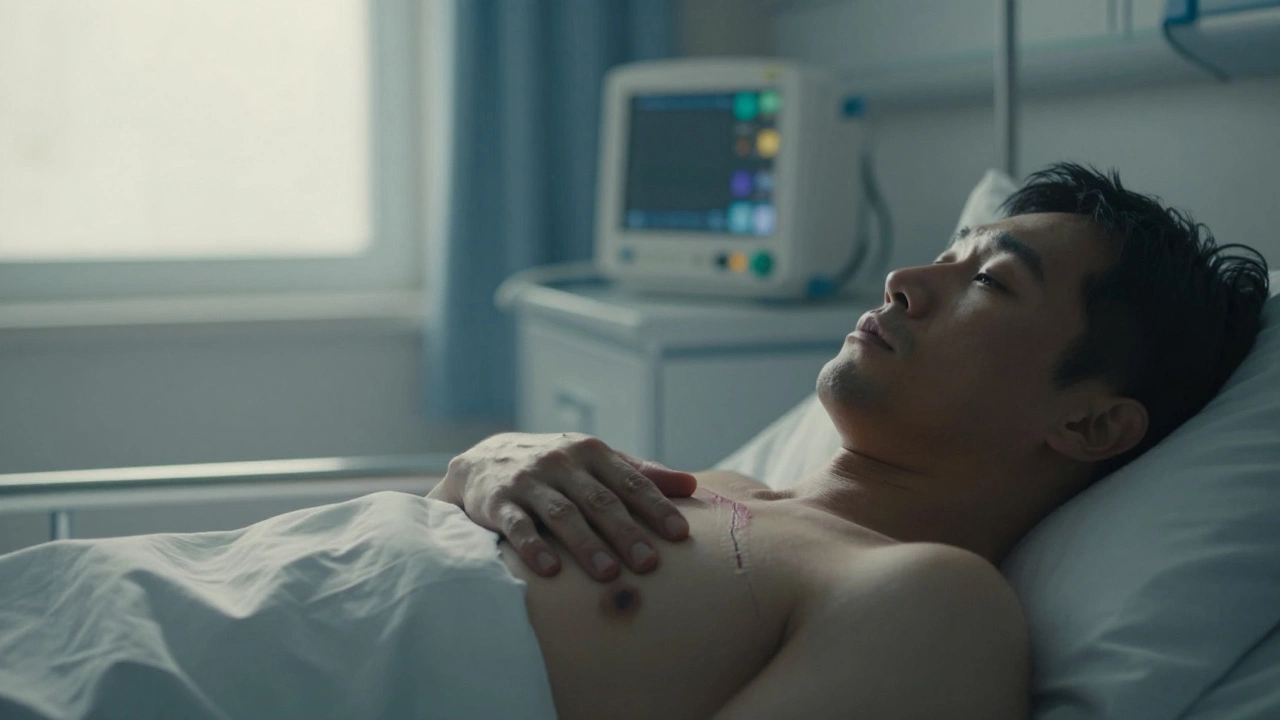
Will I Ever Be the Same After Open-Heart Surgery? A Realistic Guide to Recovery and Life Changes
Discover what to expect physically and emotionally after open-heart surgery. Learn about recovery timelines, cardiac rehab, and how to adapt your lifestyle for a healthier future.

Do You Ever Fully Recover from Open Heart Surgery? Realistic Expectations and Timelines
Discover realistic timelines and expectations for recovering from open heart surgery. Learn about sternal healing, cardiac rehab benefits, and how to achieve full physical and emotional recovery.
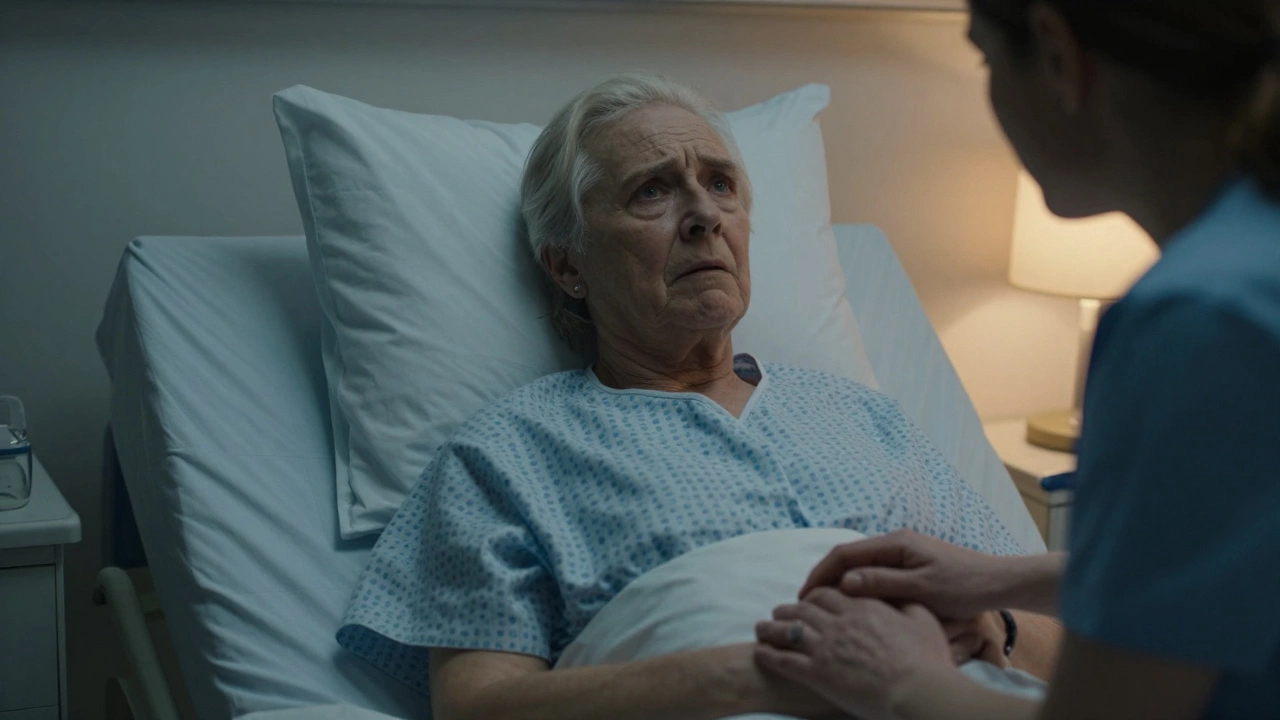
Strange Behaviors and Mental Changes After Heart Surgery: What's Normal?
Experiencing mood swings or brain fog after heart surgery? Learn why these strange behaviors happen, from post-pump syndrome to cardiac delirium, and how to recover.

What Happens 10 Years After Open‑Heart Surgery? Outcomes, Risks, and Care Plan
Year 10 isn’t a finish line-it’s a check-in. See what changes after open-heart surgery a decade later: survival, graft/valve durability, tests to book, red flags, and a simple care plan.

What to Have Ready at Home After Open Heart Surgery: Recovery Tips and Must-Haves
Preparing your home for heart surgery recovery is key. Discover the must-haves, helpful gear, and tips to make healing smoother and safer.

Hardest Surgery in Cardiology: What Makes It So Tough?
Heart surgery can be incredibly complex, but some operations stand out as especially tough. This article breaks down which procedure takes the top spot and why. It dives into what happens during these surgeries, who performs them, and why success rates can depend on tiny details. You'll also find out how patients can prepare and what recovery really looks like. Real facts, surgeon tips, and a peek at the future of these life-saving operations.

Deadliest Heart Surgery: What Went Wrong and How Medicine Fought Back
Heart surgeries once bordered on the impossible, and some early procedures had terrifyingly high death rates. This article digs into the deadliest heart operations ever attempted, exploring why they failed, who took the risks, and how survivors paved the way for breakthroughs. You'll find hard-hitting facts about surgical mortality and learn how modern medicine turned horror stories into lifesaving routines. We'll bust some myths and give you practical insights if you or someone you love faces heart surgery. Real history, real risks, and real hope for the future.

Can You Live a Long Life After Open-Heart Surgery?
Open-heart surgery can be a daunting prospect, but living a long and fulfilling life after the procedure is highly achievable. This article offers insight into what to expect post-surgery, how to navigate recovery effectively, and the lifestyle changes that can make a world of difference. With proper care and commitment, many enjoy improved health and longevity after their surgery. We provide practical tips, real-life success stories, and a look at the science behind long-term recovery.

Understanding the Most Challenging Heart Surgery: The Bentall Procedure
The Bentall procedure is regarded as one of the most complex heart surgeries performed today. It involves replacing the aortic root, aortic valve, and ascending aorta, often a life-saving operation for patients with serious heart conditions. This article delves into the intricacies of the Bentall procedure, revealing why it's considered so challenging, the innovative techniques involved, and what patients can expect from it. Whether you're curious about the technical aspects or the patient perspective, this comprehensive guide sheds light on one of the most demanding feats of modern cardiac surgery.

Living Independently After Open-Heart Surgery: What You Need to Know
Recovering from open-heart surgery is a significant life event, and many people wonder if they can live alone during this time. This article explores the feasibility of staying alone after the surgery, providing insights into the recovery process, potential challenges, and essential tips for a safe and successful healing journey. It also highlights the importance of support systems and practical ways to manage daily tasks during recovery.