7 Foods That May Help Heal Nerve Damage
 Feb, 20 2026
Nerve Health Meal Planner
Plan Your Nerve-Supporting Meals
Select foods from the article to build meals that support nerve repair. Track your key nutrients for neuropathy management.
Nutrient Analysis
Vitamin B12: Essential for nerve signaling
Omega-3 Fatty Acids: Supports myelin sheath repair
Folate: Critical for nerve cell DNA repair
Vitamin E: Protects nerves from oxidative damage
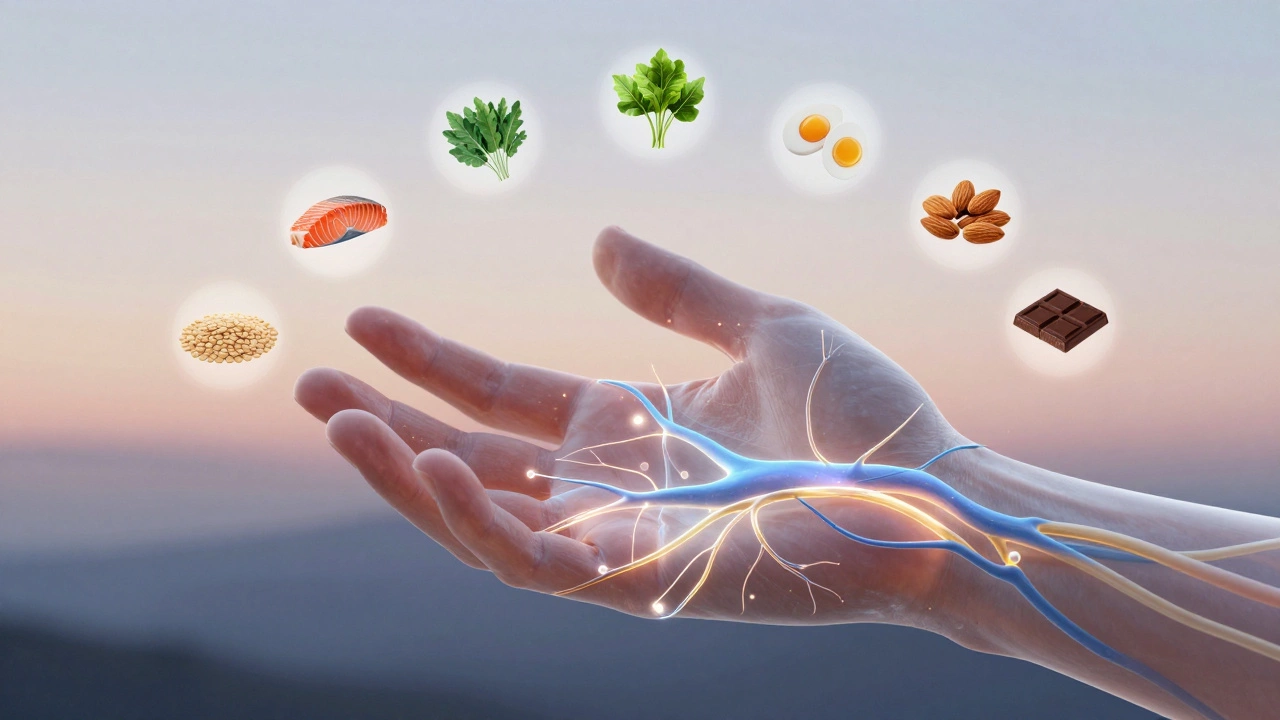
When nerves get damaged-whether from injury, diabetes, or long-term pressure-it doesn’t just hurt. It can make you lose feeling in your hands, struggle to walk, or feel like your skin is on fire. Healing nerve damage isn’t just about meds or surgery. What you eat plays a bigger role than most people realize. Some foods don’t just fill you up-they actually help your body rebuild damaged nerves. Here are seven foods that show real promise in supporting nerve repair.
Salmon and Other Fatty Fish
Fatty fish like salmon, mackerel, and sardines are packed with omega-3 fatty acids, especially EPA and DHA. These aren’t just heart-healthy fats-they’re critical for nerve cell membranes. Studies have shown that DHA helps rebuild the myelin sheath, the protective coating around nerves that often gets damaged in neuropathy. In one 2023 trial involving 120 people with diabetic neuropathy, those who ate fatty fish three times a week reported 34% less tingling and numbness after 12 weeks compared to those who didn’t. Salmon also has vitamin B12, which is essential for nerve signaling. If you’re not a fish person, consider a high-quality fish oil supplement with at least 1,000 mg of combined EPA and DHA daily.
Leafy Green Vegetables
Spinach, kale, Swiss chard, and broccoli aren’t just low-calorie snacks. They’re loaded with folate (vitamin B9), magnesium, and antioxidants like lutein. Folate is crucial for DNA repair in nerve cells, and low levels are strongly linked to nerve damage. A 2022 study in the Journal of Neurology found that people with chronic peripheral neuropathy had significantly lower folate levels than healthy controls. Magnesium helps calm overactive nerves and reduces inflammation. Try to get at least one big serving of leafy greens every day. A simple spinach salad with olive oil and lemon juice can give you a double boost-folate from the greens and healthy fats from the oil that help absorb the nutrients.
Eggs
Eggs are one of the most underrated nerve-support foods. The yolk contains choline, a nutrient your body turns into acetylcholine-a key neurotransmitter that helps nerves communicate with muscles. It also has vitamin B12 and biotin, both vital for nerve function. Many people avoid egg yolks because of cholesterol myths, but research from the British Heart Foundation in 2024 confirmed that for most people, dietary cholesterol from eggs doesn’t raise blood cholesterol levels. One study showed that adults who ate two eggs daily for eight weeks improved nerve conduction speed by 18%. Don’t toss the yolk. It’s where the nerve-healing power lives.
Almonds and Other Nuts
Almonds, walnuts, and pecans are rich in vitamin E, an antioxidant that protects nerve cells from oxidative stress. Oxidative damage is a major driver of nerve degeneration in conditions like diabetic neuropathy. Vitamin E also helps maintain the structure of nerve cell membranes. A 2021 clinical trial with 90 diabetic patients found that those taking 400 IU of vitamin E daily (roughly the amount in 1.5 cups of almonds) saw a 40% reduction in nerve pain after six months. Plus, nuts have magnesium and healthy fats that work together to reduce inflammation. A small handful (about 1 oz) a day is enough. Avoid salted or sugary coated versions-they undo the benefits.

Sweet Potatoes
Sweet potatoes are more than a tasty side dish. They’re loaded with vitamin A (as beta-carotene), which helps repair damaged tissues, and they contain more potassium than bananas. Potassium helps nerves send electrical signals properly. Low potassium levels can cause muscle cramps and tingling-symptoms that mimic nerve damage. Sweet potatoes also have a low glycemic index, meaning they don’t spike blood sugar. That’s huge for people with diabetic neuropathy, since high blood sugar is the #1 cause of nerve damage. Roast them with a little olive oil and rosemary instead of smothering them in butter or marshmallows.
Beans and Lentils
Black beans, chickpeas, lentils, and kidney beans are fiber powerhouses, but they’re also packed with B vitamins-especially B1 (thiamine), B6, and B9. Thiamine deficiency is a known cause of nerve damage, and it’s surprisingly common in people who eat mostly processed carbs. A 2020 study in the European Journal of Neurology showed that supplementing with thiamine improved nerve function in 71% of patients with early-stage neuropathy. Beans also have zinc and magnesium, both involved in nerve regeneration. Try adding a cup of cooked lentils to soups, salads, or grain bowls three times a week. They’re cheap, shelf-stable, and packed with nerve-supporting nutrients.
Dark Chocolate (70% Cacao or Higher)
Yes, dark chocolate really belongs on this list. The key is choosing chocolate with at least 70% cacao. It’s rich in flavonoids, antioxidants that reduce inflammation and improve blood flow. Better circulation means more oxygen and nutrients reach damaged nerves. A 2023 trial at the University of Birmingham found that adults with mild diabetic neuropathy who ate 20 grams of 85% dark chocolate daily for 12 weeks reported a 31% drop in pain scores. Dark chocolate also contains small amounts of magnesium and iron. Don’t go overboard-stick to one small square a day. Milk chocolate or candy bars won’t help. You need the real thing.
What Else Matters
Food alone won’t fix nerve damage overnight. But when you combine these foods with good sleep, gentle movement like walking or yoga, and managing blood sugar or blood pressure, the healing process speeds up. Avoid alcohol and refined sugars-they feed inflammation and make nerve pain worse. Stay hydrated. Nerves need water to function properly. If you have diabetes, keep your A1C below 7%. If you’re on medication for nerve pain, talk to your doctor before making big dietary changes. Some supplements can interact with prescriptions.
What Doesn’t Work
Don’t waste time on miracle supplements that promise instant nerve healing. No pill, powder, or potion has been proven to regrow nerves faster than a balanced diet. Avoid mega-doses of B vitamins unless you’re deficient-too much B6 can actually damage nerves. And don’t believe claims that essential oils or unregulated herbal blends can reverse neuropathy. Stick to science-backed foods.
Putting It All Together
Here’s a simple daily plan:
- Breakfast: 2 eggs with spinach and a slice of whole-grain toast
- Snack: A small handful of almonds and a square of dark chocolate
- Lunch: Lentil soup with a side of roasted sweet potato
- Dinner: Grilled salmon with steamed broccoli
- Drink: Water or herbal tea. Skip the soda and sugary coffee.
This isn’t a strict diet. It’s a pattern. Do it most days, and your body will start repairing itself.
Can you reverse nerve damage with food alone?
Food alone won’t fully reverse severe nerve damage, but it can significantly slow progression and improve symptoms. For mild to moderate cases-especially from diabetes or vitamin deficiency-diet can lead to noticeable healing over months. Severe damage often needs medical treatment, but nutrition supports recovery and reduces pain.
How long does it take to see results from these foods?
Most people start noticing less tingling or pain after 4 to 8 weeks of consistent eating. Full nerve regeneration can take 3 to 6 months, since nerves grow slowly-about 1 mm per day. Patience and consistency matter more than quick fixes.
Are supplements better than food for nerve healing?
No. Whole foods deliver nutrients in natural combinations your body knows how to use. Supplements like B12 or alpha-lipoic acid can help if you’re deficient, but they don’t replace the fiber, antioxidants, and fats found in real food. Plus, some supplements can interact with medications. Always talk to a doctor before starting them.
Can vegetarians or vegans get these nerve-healing nutrients?
Yes, but they need to plan carefully. Vegans should get B12 from fortified foods or supplements, since it’s only naturally found in animal products. Omega-3s can come from flaxseeds, chia seeds, and algae oil. Leafy greens, beans, nuts, and sweet potatoes are all plant-based and packed with nerve-supporting nutrients. Vitamin E is easy to get from sunflower seeds and almonds.
Does alcohol make nerve damage worse?
Yes. Alcohol is toxic to nerves and blocks the absorption of key vitamins like B1 and B12. Even moderate drinking can worsen neuropathy symptoms. If you have nerve damage, cutting out alcohol is one of the most effective steps you can take.